Home Maintenance
What Home Maintenance Should I Finish Before Castro Valley's Rainy Season?
 Tim Fiebig, Castro Valley Real Estate Agent
November 3, 2026 6 min read
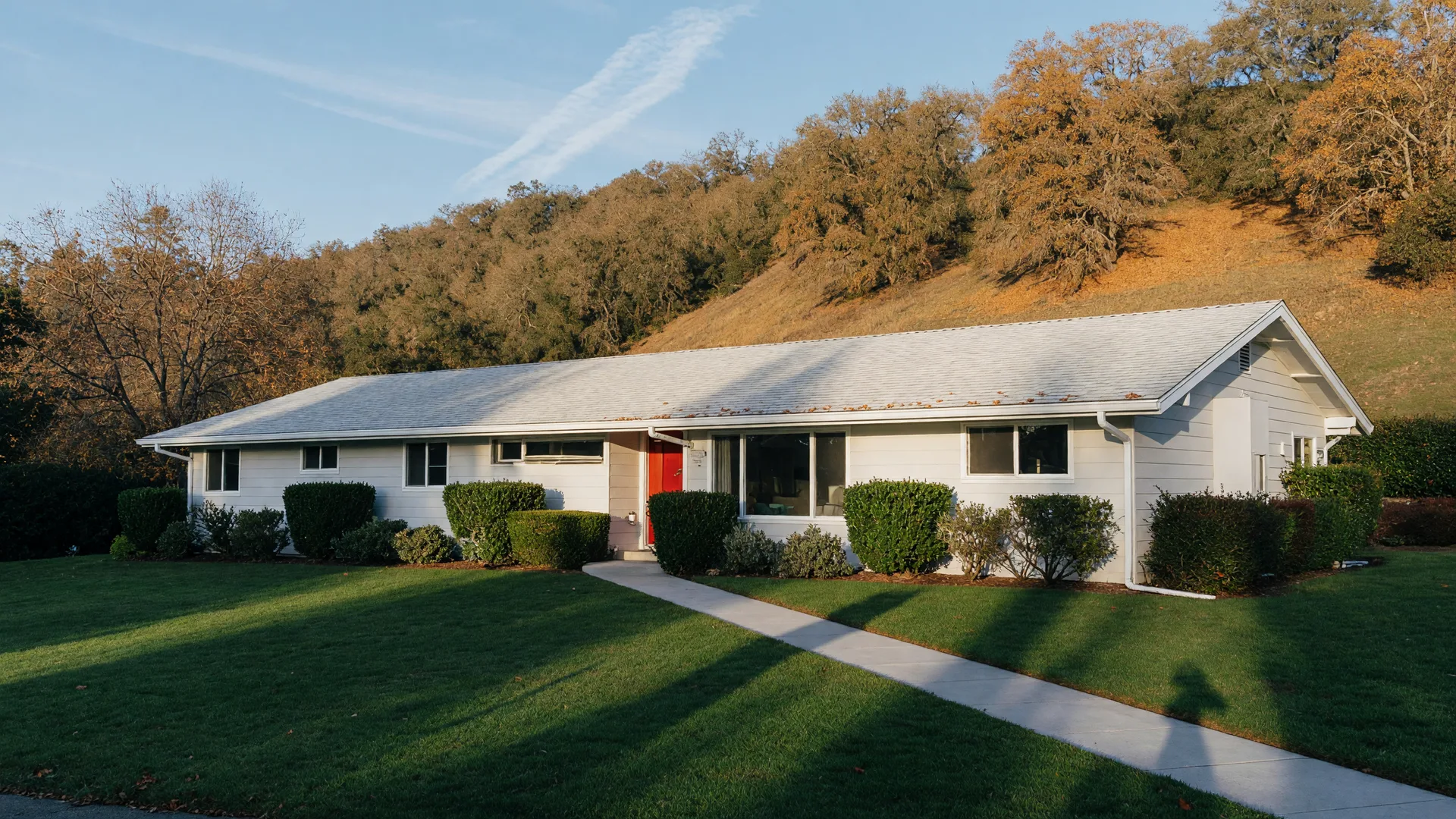
Clean your gutters, check your roof and yard drainage, and confirm the systems California rules require at sale: working smoke and carbon monoxide detectors and a braced water heater. Because Castro Valley's rainy season typically starts in early November and runs into April, the weeks between now and the first heavy rain are when this checklist pays off the most.
This is the maintenance version of preparation, not renovation. Most of it is weekend work and some of it is a phone call. For sellers it does double duty: it protects the house through the wettest months and it answers the questions a buyer's inspector will ask before those questions become objections on an offer.
Why early November is the deadline that matters
Castro Valley's wet season typically runs from early November into April, and December through February are the wettest months (Weather Spark). The town averages roughly 18 to 20 inches of rain a year, and homes in the hills and canyon areas collect runoff from above as well as from the sky, so drainage does more work here than it does in a flat town.
For a seller, rain changes the showing conversation. A home that stays dry, drains well, and has a clean record on its systems photographs better, shows better, and produces a cleaner disclosure package. A rainy-season inspection on an unprepared home can surface moisture, drainage, and roof issues that a dry season would have hidden until later in the transaction.
The checklist, in the order Tim would walk it
- Clean gutters and downspouts. Clear leaves and debris now, before the first hard rain, and make sure downspouts discharge well away from the foundation. This is usually a do-it-yourself job, and it is the single most visible sign of a cared-for home.
- Walk the roof from the ground. Look for lifted or missing shingles, moss, and debris. Stay off the roof unless you have the right setup; a pair of binoculars from the street or yard covers most homes. Visible roof wear is the fastest way to invite a low offer.
- Check yard drainage and grading. Look for low spots where water ponds, and confirm the ground slopes away from the foundation. On hillside lots, check where runoff travels between neighbors; a recurring water path is worth fixing before it shows up in an inspection report.
- Trim branches over the roof and patio. Winter storms in the East Bay can drop heavy limbs. Clear dead or overhanging branches before they become a roof claim or a showing-day hazard.
- Service the heating system. A furnace tune-up is inexpensive, gives you a maintenance record to show buyers, and answers the how-old-is-it question before it is asked.
- Test smoke alarms and carbon monoxide detectors. California requires a working smoke alarm at the time of sale, and a carbon monoxide detector wherever the home has an attached garage, a fuel-burning appliance, or a fireplace (Health and Safety Code Sections 13113.8 and 17926). Confirm compliance in writing before closing.
- Check the water heater. California requires residential water heaters to be braced or strapped, generally with one strap in the upper third and one in the lower third of the tank (Health and Safety Code Sections 19210 through 19217). If the tank is unstrapped or more than 12 years old, know the condition before you list, and talk with your agent about a replacement if it is original equipment.
- Seal drafts. Weatherstripping on doors and windows is a quiet efficiency story buyers like, it keeps moisture out, and it costs very little.
The rules California checks at sale
Three of the items above are not optional style choices; they are requirements that surface again and again at close of escrow. Working smoke alarms, carbon monoxide detectors for homes with an attached garage or a fuel-burning appliance, and braced water heaters are all things a seller confirms in writing in California. None of the fixes is expensive, and doing them before listing beats negotiating them after inspection.
What this means for a winter listing
If you are listing this winter, the checklist is the run-up: finish the exterior before launch so the listing photographs dry and bright, and keep the records, furnace receipt, detector test dates, and water heater service notes for the disclosure package. Castro Valley's late-year market runs on thin inventory, and a well-prepared home competes against far fewer listings than it would in the spring. Tim walks through the timing tradeoffs in whether to sell now or wait until spring, and the monthly Castro Valley market report tracks the latest numbers.
None of this requires a renovation budget. It is the checklist version of the prep Tim runs with every seller, and it pairs with the bigger question of what repairs actually pay before selling a Castro Valley home. For the maintenance items that show up on inspection reports, the return is simple: a dry, drained, documented home receives fewer repair requests, and the ones that do come up are smaller.
Walk the property with Tim before you list
Tim Fiebig is a Castro Valley listing agent who has helped homeowners prepare and sell in this town for more than 40 years. He will walk the property with you, point out which of these items matter for your specific home and lot, and show you the comparable sales that set a realistic price. The Castro Valley neighborhood guide explains what buyers are comparing across town, and the home selling guide walks through the listing process step by step.
Get your free pre-listing walkthrough →
Frequently asked questions
When does the rainy season start in Castro Valley?
Castro Valley's wet season typically runs from early November into April, with December through February the wettest months. The town averages about 18 to 20 inches of rain a year, and homes in the hills can see more (Weather Spark).
Do I need smoke and carbon monoxide detectors to sell my home in California?
Yes. California law requires at least one working smoke alarm at the time of sale, and a carbon monoxide detector wherever the home has an attached garage, a fuel-burning appliance, or a fireplace. The seller confirms compliance in writing before the sale closes.
Is water heater bracing required when I sell?
Yes. California requires residential water heaters to be braced or strapped so they cannot fall or shift in an earthquake, generally with two straps. If yours is unstrapped, it is a small, inexpensive fix to make before listing.
What if water pools near my foundation or my yard drains poorly?
Water pooling near the foundation is one of the first things a buyer's inspector will flag. Clean the gutters, extend the downspouts so they discharge away from the house, and confirm the ground slopes away from the foundation. For a recurring low spot, ask a licensed contractor about regrading or a French drain.
Should I wait until spring to avoid the rainy season?
Not necessarily. Late-year inventory in Castro Valley is thin, and motivated buyers show up year-round. A home that is dry, drained, and documented through the rainy season can still sell quickly at the right price; see Tim's posts on market timing and his monthly market report for the recent numbers.
Sources: Weather Spark climate data for Castro Valley; California Health and Safety Code Sections 13113.8 and 17926 (smoke and carbon monoxide detectors); California Health and Safety Code Sections 19210 through 19217 (water heater bracing).
About Tim Fiebig
Tim Fiebig is a Castro Valley real estate agent and Broker-Associate who has helped East Bay homeowners buy and sell since 1978. He works across Castro Valley, San Leandro, Hayward, San Lorenzo, and the Tri-Valley, and leads the Fiebig Team. Call or text 510-708-8700 · timfiebig.com · DRE #00657474 · eXp Realty of California, Inc. | DRE #01878277
Licensed since 1978 · 1,000+ homes sold in Castro Valley alone · eXp ICON Agent. Tim Fiebig, Broker-Associate, DRE #00657474 · 510-708-8700 · eXp Realty of California, Inc., DRE #01878277 · Equal Housing Opportunity.