Market
Oakland's Día de los Muertos Festival and What Cultural Anchors Tell Home Buyers
 Tim Fiebig, Castro Valley Real Estate Agent
October 26, 2026 5 min read
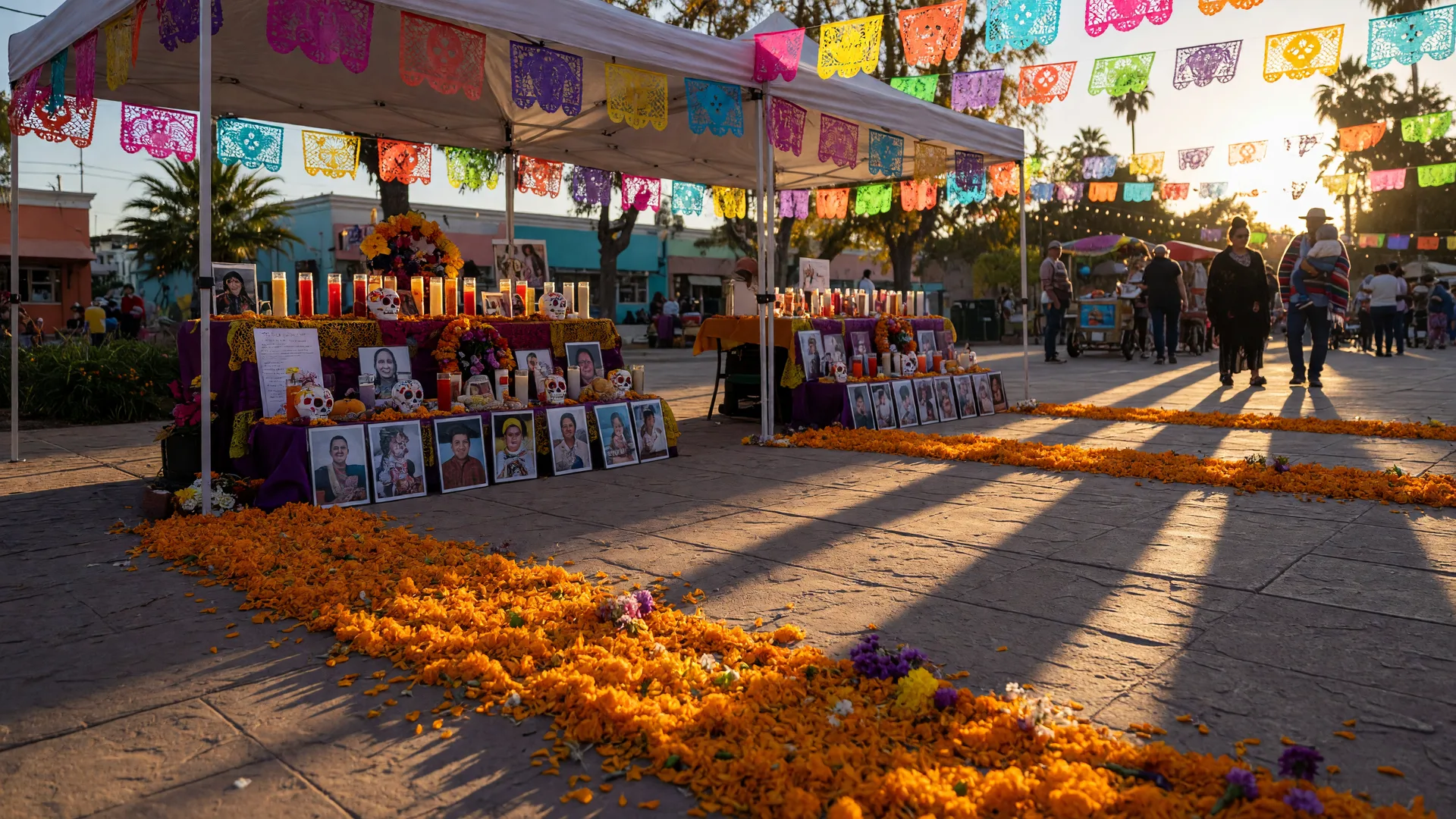
On Sunday, November 1, the 31st annual Oakland Día de los Muertos Festival fills Fruitvale Village from 10 a.m. to 5 p.m., free and open to all, hosted by The Unity Council, with live music, community ofrendas, Aztec ritual, artisans, food, and family activities, and organizers expect around 100,000 visitors. A new 34-foot La Catrina sculpture now stands watch over the plaza, unveiled earlier this month. For East Bay buyers, a neighborhood event on this scale is a working demonstration of what a district with strong cultural anchors looks like. Here is what Tim Fiebig takes from it, and how to weigh it against the market numbers.
What cultural anchors tell you about a neighborhood
Oakland’s Fruitvale district has a BART station, a business corridor on International Boulevard, a community development corporation in the Unity Council, and a festival calendar that draws people from across the region. Neighborhoods with that combination have a self-reinforcing quality: institutions keep programming going, programming brings foot traffic, foot traffic supports shops, and the result is a district with an identity that holds up through changing markets. That is the same evidence buyers should collect in any neighborhood they consider, whether it is a block near Lake Chabot in Castro Valley or a street two blocks from a plaza in Oakland.
How to weigh it against the market numbers
The context: market summaries put Oakland’s median sales price near $950,000 in October 2026, with some local market notes describing a pullback from earlier in the year (Redfin; a market note by Declan Spring, October 25, 2026). The inner East Bay median reached $1.25 million in October 2026, up 3.5% year over year, per Kelly Crawford Homes’ summary. Within any of those numbers, the spread between blocks is larger than the spread between towns, which is why Tim works from the closest closed sales, not a ZIP average. A neighborhood’s anchors help explain its demand, but the price is still set by what actually sold nearby, recently.
The same lens works for Castro Valley comparisons
A buyer comparing an Oakland block with a Castro Valley street can use the same checklist Tim walks with every buyer: What institutions anchor the area? What fills the sidewalks on a weekend? Is the transit walkable? What have the closest sales actually done? Castro Valley’s own anchors, from the year-round farmers’ market to Lake Chabot and the library, are covered in the neighborhood comparison post and the neighborhood guide. Visiting on an event day is a fine start; visiting on an ordinary Tuesday is how you learn what everyday life feels like.
The monthly market report keeps Castro Valley’s numbers current. If you are comparing neighborhoods or wondering what your home is worth, call Tim at 510-708-8700 or use the contact form.
Tim Fiebig, Broker-Associate, DRE #00657474 · eXp Realty of California, Inc., DRE #01878277 · Equal Housing Opportunity.