Selling
What Do I Have to Disclose When I Sell a House in Castro Valley, California?
 Tim Fiebig, Castro Valley Real Estate Agent
November 16, 2026 6 min read
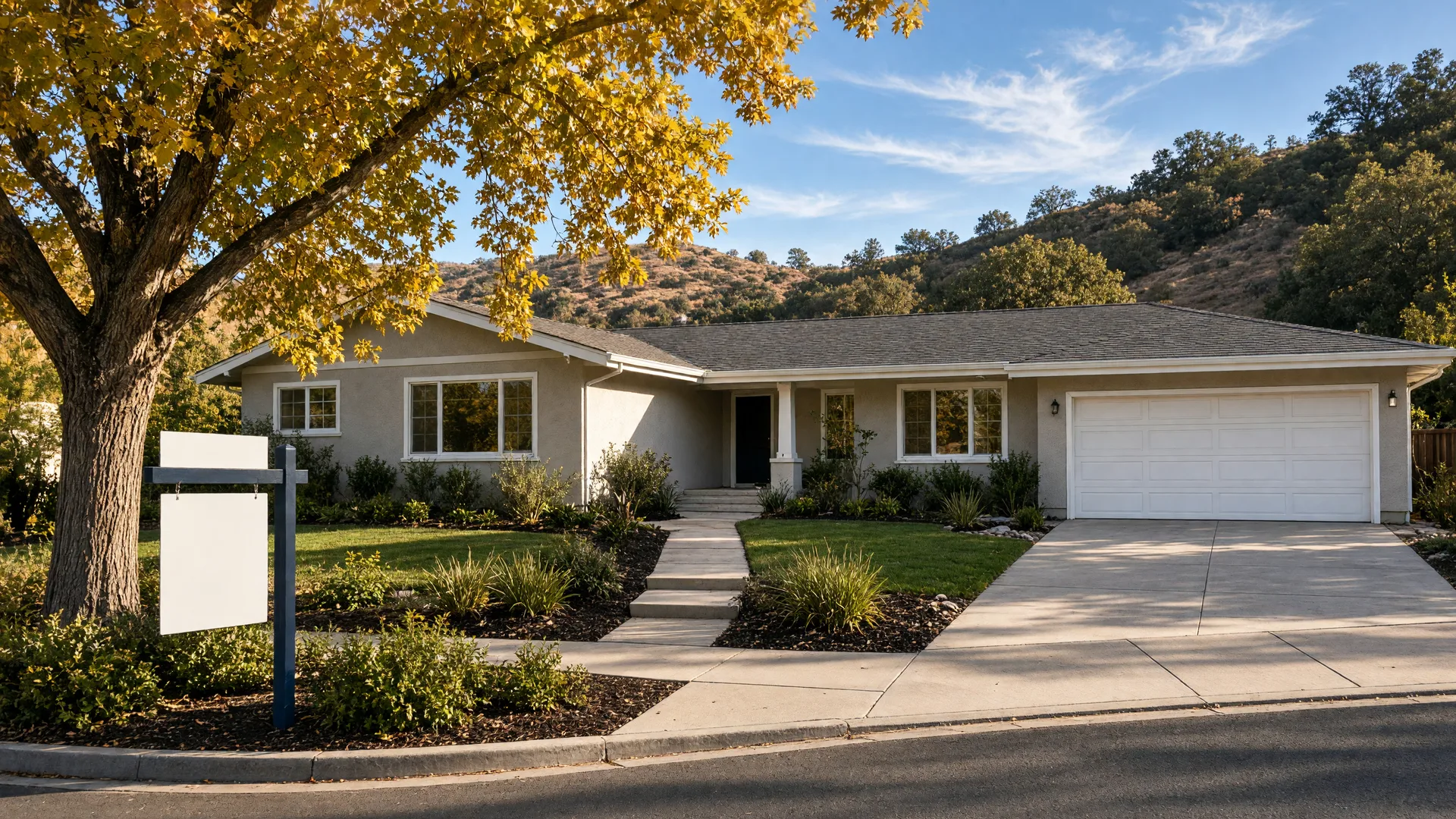
When you sell a home in Castro Valley, California law requires you to give the buyer a written disclosure package that starts with the Transfer Disclosure Statement (TDS) and the Seller Property Questionnaire (SPQ). The rule to remember is simple: disclose what you know about the property's condition, and do it in writing before the buyer signs the contract.
Most sellers are surprised by how much of the package is routine, and by how much is handled by professionals. A third-party company prepares the natural hazard report, the escrow team tracks delivery dates, and your listing agent assembles the forms. Your job is to answer the questions completely and honestly, because the disclosure forms are signed under penalty of perjury and follow you past the closing table.
The Core Disclosure Package for a Castro Valley Sale
Here is the standard package for a California home sale of one to four units, which covers nearly every Castro Valley listing:
| Disclosure | What it covers | When it's due |
|---|---|---|
| Transfer Disclosure Statement (TDS) | The condition of the property: roof, foundation, walls, floors, ceilings, plumbing, electrical, heating and cooling, sewer or septic, and built-in appliances | Before the buyer signs the purchase agreement |
| Seller Property Questionnaire (SPQ) | The history you know: past repairs, water intrusion, insurance claims, neighborhood nuisances, and any deaths on the property | With or before the TDS |
| Natural Hazard Disclosure (NHD) | Six statutory zones: special flood hazard area, dam inundation, very high fire hazard severity zone, wildland fire risk, earthquake fault zone, and seismic hazard zone | Before the buyer signs, or with cancellation rights if it arrives late |
| Lead-based paint disclosure | Required by federal law for homes built before 1978: known lead paint or hazards, any records you have, and the EPA pamphlet | Before the contract is signed |
| Smoke and CO detector statements | Operable smoke alarms and carbon monoxide detectors at the time of sale, with a written statement of compliance | At close |
Your listing agent orders most of this and walks you through every form line by line. The TDS and SPQ are the two you fill out personally, and they are the ones that matter most: they capture the condition of the home as you have experienced it.
What the Natural Hazard Report Means in Castro Valley
Castro Valley's geography makes the natural hazard report more than a formality. Homes in the hills can sit inside a Very High Fire Hazard Severity Zone mapped by Cal Fire, which the NHD report will flag. Properties near the valley floor are generally outside the flood and seismic hazard zones, but the report confirms that on paper rather than leaving it to assumption.
The NHD is prepared by a licensed third-party company that checks the property against official maps. If your home is in a mapped zone, that is not a barrier to selling; it is information the buyer is entitled to see, and it may influence insurance costs or lender requirements. Disclosure does not mean the home cannot sell, and thousands of hillside Castro Valley homes sell every year with a fire zone on the report.
Deaths on the Property: What California Requires
Under California Civil Code 1710.2, a death that occurred on the property within the past three years must be disclosed to the buyer, regardless of the cause. That includes natural causes, accidents, suicides, and homicides. If the death happened more than three years before the buyer's offer, you are not required to volunteer it, but you must answer honestly if asked.
One rule never changes: the HIV or AIDS status of a past occupant is never a required disclosure in California. If that topic comes up, you do not disclose it and you do not need to.
The Buyer's Right to Cancel if Disclosures Arrive Late
The timing rule is the one that catches sellers off guard. If the TDS, the NHD, or another required disclosure is delivered after the buyer has submitted an offer or signed the contract, the buyer may cancel the purchase in writing within 3 days of personal delivery, or within 5 days if the disclosure was mailed or sent electronically. The same window applies if a disclosure is materially amended during escrow.
In practice, this means the disclosure package should be complete before the first offer arrives, not assembled after. A listing that launches with its disclosures ready keeps the momentum of the first two weeks, which matters in a market where Castro Valley homes went under contract in a median of 16 days in September 2026 (Redfin). For the full listing-to-close picture, see how long it takes to sell a house in Castro Valley.
Alameda County Timing and the Escrow Process
In Alameda County, the sale closes through an escrow company with title insurance, and the county recorder records the deed transfer at close. A typical Castro Valley escrow runs about 30 days, during which the buyer completes inspections, the appraisal, and the loan, and both sides sign off on the disclosures.
Your listing agent and the escrow team track every disclosure date, so nothing slips past the cancellation windows. If the buyer's inspection turns up something new, it gets added to the paperwork as an amendment, which restarts those windows; an experienced agent plans for that so it does not derail the closing date.
Five Steps to Get Disclosures Right Before You List
- Gather your records early. Past repair receipts, permits, insurance claims, and any documents about the roof, foundation, or systems make the SPQ easy to answer and show buyers you have kept up the home.
- Fill out the TDS and SPQ completely and honestly. Guesswork is the biggest risk. If you do not know the answer, say so, and do not assume a past issue is unimportant; when in doubt, disclose.
- Order the natural hazard report early. It is prepared by a third-party company, so it takes a few days. Ordering it during the pre-listing weeks means it is ready before the first showing, not during escrow.
- Handle the lead paint and detector items. If the home was built before 1978, the federal lead-based paint disclosure is mandatory, and the smoke and carbon monoxide detectors must be operable with written statements at close.
- Have your listing agent review every page with you. A Castro Valley listing agent who has handled hundreds of local transactions knows which questions come back to bite sellers and will make sure the package is complete before you go live.
If you are weighing a pre-listing inspection before you fill out the forms, the post on what repairs to make before selling walks through what inspections uncover and how findings flow into the disclosures.
Tim's View: A Pilot's Approach to Paperwork
Tim is a licensed pilot, though he is not actively flying these days, and the background shapes how he treats disclosure paperwork. A pilot runs through a checklist before every departure, verifies each item instead of trusting memory, and would never take off with a known condition unaddressed. He applies the same discipline to a listing: every form complete, every date tracked, every known condition on the table before buyers arrive. That is how a sale stays on schedule and how surprises stay out of escrow.
What Disclosure Does Not Do
Disclosing a condition is not an admission that you must pay to fix it, and it does not automatically change the price. Many Castro Valley homes sell with disclosed issues, from older roofs to hillside fire zones, because buyers factor the information into their offer. What disclosure does is remove the uncertainty that kills deals later: a buyer who learns about a problem before they sign can decide with open eyes, and a seller who disclosed everything is protected after close.
This article is general information about the selling process, not legal advice. If you are facing a specific disclosure question, a past event on the property, or an unpermitted improvement, review the situation with a real estate attorney before you sign anything. Tim will also connect you with the right professionals for your situation, and his monthly Castro Valley market report and the Castro Valley neighborhoods guide are good places to start while you plan the sale.
Frequently Asked Questions
What do I have to disclose when I sell a house in Castro Valley, California?
You must give the buyer a written disclosure package, starting with the Transfer
Disclosure Statement (TDS) and Seller Property Questionnaire (SPQ), a Natural Hazard
Disclosure report, and federal lead-based paint disclosures for homes built before 1978.
In short, disclose everything you know about the property's condition, in writing,
before the buyer signs the contract.
Do I have to disclose a death in the home when I sell in California?
Under California Civil Code 1710.2, a death that occurred on the property within the past
three years must be disclosed to the buyer, regardless of the cause. After three years,
you are no longer required to volunteer the information, but you must answer honestly if
the buyer asks. HIV or AIDS status of a past occupant is never a required disclosure.
What happens if a required disclosure arrives after the buyer signs?
If the Transfer Disclosure Statement, Natural Hazard Disclosure, or another required
disclosure is delivered after the buyer submits an offer or signs the contract, the
buyer may cancel the purchase in writing within 3 days of personal delivery, or within 5
days if the disclosure was mailed or sent electronically. The same cancellation window
applies if a disclosure is materially amended during escrow.
What if I did not know about a problem with the home?
California's disclosure duty is based on what you actually know, so you are not expected
to disclose problems you had no knowledge of. That is why sellers should answer every
question honestly and completely rather than guessing: an incomplete or inaccurate form
can create liability later. When in doubt about a specific situation, review the wording
with a real estate attorney before you sign.
If I sell the home as-is, do I still have to fill out disclosures?
Yes. Selling a home "as-is" in California does not waive the required disclosures. You
still complete the Transfer Disclosure Statement, the Seller Property Questionnaire, the
Natural Hazard Disclosure, and the lead-based paint disclosure for pre-1978 homes. As-is
language in the contract signals that the home is sold in its current condition, but it
does not replace the statutory disclosure package.
Want to know exactly what your disclosure package will look like?
Tim walks every Castro Valley seller through the full package before the home is listed, so nothing is left to the last minute. Call or text Tim Fiebig at 510-708-8700, or use the contact page to set up a time.
Tim Fiebig, Broker-Associate, DRE #00657474, 510-708-8700, eXp Realty of
California, Inc., DRE #01878277
Office: 2603 Camino Ramon, Suite 200, San Ramon, CA
About Tim Fiebig
Tim Fiebig, Broker-Associate, DRE #00657474, 510-708-8700, eXp Realty of California, Inc., DRE #01878277. Office: 2603 Camino Ramon, Suite 200, San Ramon, CA. Tim is a licensed pilot who is not actively flying; the background shapes how he thinks about checklists, conditions, and logistics for his clients. See his main profile at timfiebig.com .
Tim Fiebig, Broker-Associate, DRE #00657474, 510-708-8700, eXp Realty of California, Inc., DRE #01878277 · Equal Housing Opportunity.